
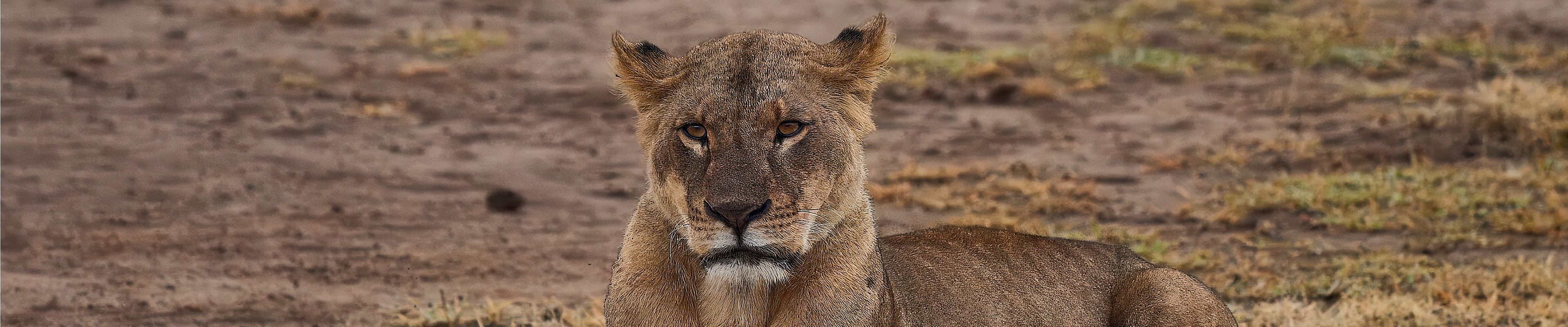

Nestled in the heart of Rajasthan, Ranthambore National Park stands as one of India's most celebrated wildlife destinations, offering photographers an unparalleled opportunity to capture the raw beauty of nature. This ultimate guide will walk you through everything you need to know about planning and executing the perfect photography safari in this magnificent wilderness.
Why Ranthambore is a Photographer's Paradise
Ranthambore National Park isn't just another wildlife sanctuary—it's a photographer's dream come true. The park's unique combination of ancient ruins, diverse landscapes, and thriving wildlife population creates a visual tapestry that's simply irresistible to anyone with a camera. The star attraction, of course, is the majestic Bengal tiger, but the park offers so much more for wildlife photography enthusiasts.

The dramatic backdrop of the 10th-century Ranthambore Fort, crumbling temples, and serene lakes scattered throughout the park provide stunning compositional elements that elevate wildlife photography to an art form. Unlike many other wildlife reserves in India, Ranthambore's relatively open terrain and well-maintained safari routes offer excellent visibility, making it ideal for capturing those once-in-a-lifetime shots.
Understanding the Safari Experience

When embarking on a jungle safari in Ranthambore, you'll have two primary options: the canter safari and the gypsy safari. For serious wildlife photography, the gypsy safari is highly recommended. These open-top six-seater vehicles offer better maneuverability, allowing your driver and guide to position you optimally for photography. The smaller group size also means less commotion and better chances of extended wildlife sightings.

A typical wildlife safari lasts about three to four hours, with morning safaris starting at dawn and evening safaris beginning in the late afternoon. These timings aren't arbitrary—they coincide with the golden hours of photography when the light is soft, warm, and perfect for capturing stunning images. The park is divided into ten zones, each offering unique landscapes and wildlife opportunities. Zones 1 through 5 are considered the core areas with higher tiger densities, while zones 6 through 10 provide equally rewarding experiences with less tourist pressure.
Essential Photography Equipment
Your camera gear can make or break your photography safari experience. For wildlife photography in Ranthambore, a DSLR or mirrorless camera with a telephoto lens is essential. A lens in the 300-600mm range will serve you well, allowing you to capture detailed shots of wildlife from a safe distance. Don't forget a wider lens (24-70mm or 70-200mm) for landscape shots and environmental portraits that showcase animals in their habitat.
Bring extra batteries and memory cards—you'll need them. The excitement of a wildlife safari means you'll be shooting far more than you might anticipate, especially when a tiger decides to cross your path. A sturdy beanbag or gimbal head is crucial for stabilizing your heavy telephoto lens on the safari vehicle, as traditional tripods aren't practical in moving jeeps.

Consider packing a dust blower and lens cleaning cloths. The jungle safari India experience, particularly in the dry season, means dealing with dust. Protecting your gear while keeping it accessible is a delicate balance, so a good camera bag or backpack designed for wildlife photography is worth the investment.
Best Time for Photography Safaris
Timing your visit to Ranthambore National Park significantly impacts your photography opportunities. The park operates from October to June, closing during the monsoon months. Each season offers distinct advantages for photographers.
October to March brings pleasant weather and lush greenery, with winter mornings creating atmospheric mist that adds an ethereal quality to photographs. The foliage, however, can make wildlife spotting slightly more challenging. Birds are abundant during this period, offering excellent opportunities for avian photography.

April to June, the summer months, are considered prime time for tiger photography. As water sources dry up, wildlife congregates around the remaining waterholes, making sightings more predictable. The vegetation thins out, improving visibility. The harsh midday light can be challenging, but dawn and dusk provide spectacular lighting conditions. Yes, it's hot—temperatures can soar above 40°C (104°F)—but serious wildlife photographers know this is when Ranthambore truly delivers.

Mastering the Art of Wildlife Photography
Successful wildlife photography in Ranthambore requires more than just expensive equipment—it demands patience, technique, and understanding of animal behavior. Always shoot in manual or aperture priority mode, using fast shutter speeds (1/500s or faster) to freeze motion. Wildlife doesn't pose, and that fleeting moment of a tiger turning its head or a deer bounding away requires quick reflexes and proper camera settings.
Keep your ISO flexible. While we all prefer shooting at low ISOs for maximum image quality, the dense forest canopy often creates challenging lighting conditions. Don't hesitate to push your ISO to 800, 1600, or even higher to maintain fast shutter speeds. Modern cameras handle noise remarkably well, and a slightly noisy but sharp image is far better than a perfectly clean but blurry one.
Focus on the eyes—this golden rule of portrait photography applies equally to wildlife. A sharp, well-exposed eye creates connection and life in your images. Use continuous autofocus mode and back-button focus if your camera supports it, allowing you to track moving subjects more effectively.

Composition and Storytelling
Great wildlife photography transcends mere documentation—it tells stories. While the tight headshot of a tiger is impressive, don't forget to capture environmental portraits that show the animal in context. Include the ancient ruins, the distinctive Ranthambore landscape, or the interplay of light filtering through the canopy. These images provide context and create a more compelling narrative of your jungle safari experience.
Pay attention to backgrounds. A cluttered or distracting background can ruin an otherwise perfect shot. When possible, position yourself so the background is clean or pleasingly blurred. The wide apertures possible with telephoto lenses help create that beautiful bokeh that makes your subject pop.

Watch for behavior and interaction. A tigress with cubs, sambar deer alarm calling at a predator, or langur monkeys grooming each other—these moments of natural behavior create powerful images that resonate with viewers far more than static portraits.

Beyond Tigers: Ranthambore's Diverse Wildlife
While tigers rightfully steal the spotlight, limiting your photography safari to just big cats would mean missing Ranthambore's incredible biodiversity. The park hosts leopards, though they're more elusive than tigers. Sloth bears, especially near the Lakarda and Anantpura areas, offer exciting photographic opportunities, particularly in summer when they search for water.

The park's diverse prey base includes sambar deer, spotted deer (chital), nilgai (blue bull), and wild boar—all worthy subjects. Crocodiles bask along the park's lakes, particularly at Rajbagh and Padam Talao, creating opportunities for reptile photography. The birdlife is extraordinary, with over 300 species recorded, including painted storks, spoonbills, eagles, owls, and the spectacular Indian paradise flycatcher.

Working with Your Guide and Driver
Your naturalist guide and driver are invaluable allies in your photography safari quest. These individuals possess intimate knowledge of the park, animal movements, and the best locations for sightings. Build rapport with them, communicate your photography goals, and listen to their advice.

When the guide spots wildlife, communicate quickly about positioning. A simple "Can we move slightly left?" or "Can we wait here?" helps them understand your needs. Remember that they're managing not just your experience but that of other passengers, so be considerate. Tipping guides and drivers who go the extra mile is customary and appreciated—it's part of the jungle safari India tradition.
Ethical Wildlife Photography
As photographers, we carry a responsibility toward the wildlife we're privileged to photograph. Never ask your driver to go off designated routes or harass animals for better shots. Maintain a respectful distance, keep noise to a minimum, and never use flash photography, which can disturb wildlife and is prohibited in the park.

If you encounter a tiger on the road, remain patient. Tigers have right of way, and these moments of a tiger walking toward or past your vehicle often yield the most intimate and powerful images. The wait is always worth it.
Practical Tips for Your Photography Safari
Book your safari permits well in advance, especially for peak season. Permits can be booked online through the Wild By Nature website, but they sell out quickly. Consider booking multiple safaris across different zones to maximize your chances and variety of subjects.
Dress in neutral colors—khaki, olive, brown—that blend with the environment. Layers are essential as early mornings can be chilly even in summer, but temperatures rise quickly. A wide-brimmed hat, sunscreen, and sunglasses protect against the harsh Rajasthan sun.
Bring water and light snacks, though avoid anything with wrappers that could create litter. The park has strict rules about maintaining cleanliness, and for good reason. This pristine wilderness needs to stay that way.
Post-Processing Your Images
The photography safari doesn't end when you return from the jungle. Post-processing is where your raw files transform into polished images. Shoot in RAW format for maximum editing flexibility. Focus on bringing out natural colors, adjusting exposure, and sharpening details while maintaining authenticity.

Ranthambore's golden hour light often needs minimal adjustment—just minor tweaks to highlights and shadows can make images pop. For harsh midday shots, consider converting to black and white, which can be particularly striking for tiger portraits.
Making the Most of Your Visit
To maximize your photography safari experience, plan for at least three to four days in Ranthambore. This gives you six to eight safari opportunities across different zones and times. Tiger sightings aren't guaranteed on every safari, and having multiple chances significantly improves your odds.
Stay in accommodation close to the park gates to maximize sleep and minimize travel time for those early morning safaris. Several excellent resorts cater specifically to photographers and wildlife enthusiasts, offering knowledgeable staff who understand the needs of serious shutterbugs.
Network with other photographers and safari-goers. The wildlife photography community is generally generous with information about recent sightings and tips. However, remember that nature is unpredictable—what someone saw yesterday doesn't guarantee a sighting today, which is part of the wild magic.
The Ultimate Reward
There's something transformative about a photography safari in Ranthambore National Park. Beyond the technical aspects of camera settings and composition lies an experience that connects you deeply with nature. The thrill of seeing a tiger emerge from the shadows, the serenity of watching a lake come alive at dawn, the satisfaction of capturing a moment that will never repeat—these are the true rewards.

Every wildlife safari is unique. Even if you return to the same zone, the same road, at the same time, nature ensures each experience differs. This unpredictability is what makes wildlife photography endlessly fascinating and why photographers return to Ranthambore year after year.
Whether you're a seasoned wildlife photographer or embarking on your first jungle safari, Ranthambore National Park offers an unmatched combination of accessibility, wildlife diversity, and dramatic landscapes. With proper preparation, the right equipment, patience, and respect for the wilderness, your photography safari here will yield not just stunning images but memories that last a lifetime.
The ancient fort watches over the forest as it has for centuries, tigers prowl the same paths their ancestors walked, and every click of your shutter captures a moment in this timeless dance between wildlife and wilderness. This is Ranthambore—where every safari writes a new chapter in your photographic journey, and where the ultimate guide to wildlife photography comes not from any manual, but from the wild itself.