
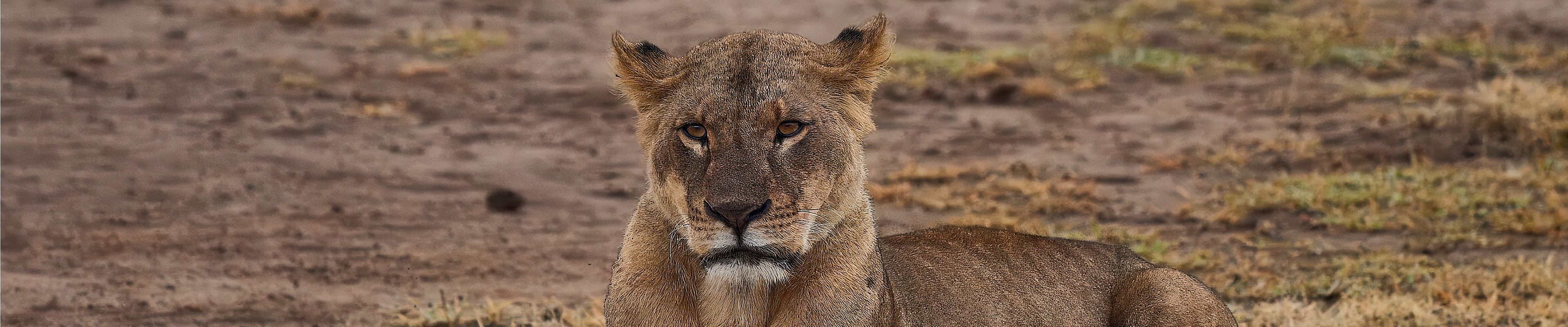

Wildlife photography is a pursuit that demands patience, skill, and above all, access to extraordinary natural habitats. While iconic destinations like Ranthambore, Jim Corbett, and Kaziranga rightfully claim their place in every wildlife photographer's bucket list, India's vast geographical diversity harbors numerous lesser-known sanctuaries that offer equally spectacular opportunities for capturing nature's raw beauty. These hidden gems not only provide intimate wildlife encounters but also deliver the solitude that serious photographers crave, away from the crowds that throng popular reserves.
Why Explore Lesser-Known Sanctuaries?
Before diving into specific locations, it's worth understanding what makes these off-the-beaten-path sanctuaries particularly appealing for wildlife photography. First, fewer visitors mean less disturbance to natural animal behavior, allowing you to capture more authentic moments. Second, these sanctuaries often have more flexible photography rules and better access to diverse habitats. Third, the absence of tourist crowds means you can spend more time at promising locations without feeling rushed. Finally, discovering and documenting wildlife in lesser-known areas contributes valuable data to conservation efforts while potentially yielding unique portfolio pieces that stand out in the saturated world of wildlife photography.

Pakke Tiger Reserve, Arunachal Pradesh
Nestled in the East Kameng district of Arunachal Pradesh, Pakke Tiger Reserve remains one of India's best-kept secrets for wildlife photography. This 862 square kilometer sanctuary is a biodiversity hotspot that offers an incredible diversity of subjects within its pristine forests.
What makes Pakke exceptional is its remarkable hornbill population. The reserve is home to four hornbill species: the Great Hornbill, Wreathed Hornbill, Oriental Pied Hornbill, and Rufous-necked Hornbill. Between November and April, these magnificent birds become particularly active, offering spectacular flight photography opportunities. The dense canopy creates challenging lighting conditions that reward photographers who master dappled light techniques.

Beyond birds, Pakke shelters a healthy tiger population, though sightings require patience and luck. More commonly photographed are clouded leopards (extremely rare elsewhere), Asian elephants, gaur, and several primate species including the endangered Assamese macaque. The sanctuary's butterfly diversity is staggering, with over 300 recorded species providing endless macro photography subjects.

Photography logistics here require planning. The sanctuary has limited accommodation, with the forest rest houses offering basic but comfortable stays. The best approach is to hire local guides who understand animal movements and can lead you to productive photography spots. The monsoon months make roads impassable, so plan visits between October and April for optimal conditions.
Satkosia Gorge Sanctuary, Odisha
Where the Mahanadi River carves through the Eastern Ghats, Satkosia Gorge Sanctuary creates a dramatic landscape that combines aquatic and terrestrial ecosystems. This 795 square kilometer sanctuary remains largely unexplored by photographers, offering unique opportunities for those willing to venture into Odisha's interior.

The sanctuary's defining feature is the 22-kilometer-long gorge, with cliffs rising up to 600 feet. This geological drama provides stunning backdrops for wildlife photography, especially during golden hour when the sun illuminates the rock faces. Gharials, the critically endangered crocodilians, bask on river banks and can be photographed from boats, offering rare opportunities to capture these narrow-snouted reptiles in their natural habitat.
Satkosia also harbors tigers, leopards, and elephants, though the dense Sal forests make sightings challenging. However, the sanctuary's avian diversity makes it a birding paradise. Photographers can expect to encounter Indian skimmers, river terns, fish eagles, and during winter, numerous migratory species. The combination of riverine and forest habitats creates edge zones where wildlife activity concentrates, particularly during early mornings.

The boat safaris along the Mahanadi are the highlight here, providing perspectives impossible in traditional jungle safaris. The river's calm stretches reflect the surrounding landscape, creating opportunities for symmetrical compositions that blend wildlife with dramatic scenery. Crocodiles, otters, and water birds become accessible subjects from these waterborne platforms.

Accommodation options include forest department rest houses and a few eco-tourism cottages near Tikarpada. The sanctuary remains accessible year-round, though wildlife sightings peak during summer months when animals concentrate near water sources. Winter offers the best light for photography and brings migratory birds.
Melghat Tiger Reserve, Maharashtra
Hidden in the Satpura hills of Maharashtra, Melghat Tiger Reserve offers 1,676 square kilometers of rugged terrain that sees a fraction of the visitors compared to other tiger reserves. This southern tropical dry deciduous forest ecosystem presents unique photography challenges and rewards.

Melghat's topography is dramatic, with deep valleys, sharp ridges, and seasonal waterfalls creating varied compositions. The reserve has a healthy tiger population, and while sightings aren't guaranteed, the chances are reasonable during summer when water sources become limited. What sets Melghat apart is its excellent leopard density. These elusive cats are often more visible here than in many other reserves, particularly around rocky outcrops and cliff faces where they rest during daytime.
The sanctuary is particularly rewarding for photographers interested in birds of prey. Crested serpent eagles, Malabar pied hornbills, and various species of owls inhabit these forests. The varied elevation creates microclimates supporting different species, so a single visit can yield diverse portfolio material.

One of Melghat's most photographable residents is the sloth bear. The reserve has a substantial bear population, and encounters often happen unexpectedly on forest trails. These shaggy creatures, especially mothers with cubs, provide endearing subjects. The best time for bear photography is during early mornings in summer when they forage before temperatures rise.

The sanctuary's infrastructure is improving, with forest department lodges at Semadoh and Chikhaldara offering decent accommodation. The core area requires permits, but the buffer zones offer excellent photography opportunities with easier access. Visit between February and June for wildlife photography, while November to January brings pleasant weather and resident birds in breeding plumage.
Simlipal National Park, Odisha
Simlipal represents one of India's largest biosphere reserves, covering 2,750 square kilometers of largely untouched wilderness in Odisha's Mayurbhanj district. Despite its size and ecological significance, it remains remarkably unknown to mainstream wildlife photographers.

What makes Simlipal extraordinary is its unique melanistic tiger population. This reserve has the world's highest concentration of black or pseudo-melanistic tigers—tigers with unusually thick stripes that give them a darker appearance. Photographing these rare individuals is a career-defining achievement for any wildlife photographer. While sightings are rare, the possibility adds an element of excitement to every safari.

Beyond tigers, Simlipal shelters massive herds of elephants, sometimes numbering over a hundred individuals. These congregations, especially at water sources during summer, offer opportunities for dramatic herd photography showing social interactions, mud bathing, and family dynamics. The reserve also has significant populations of gaur, sambar, and four-horned antelope, providing diverse subjects.

The landscape itself is photogenic, with over 1,000 streams including spectacular waterfalls like Barehipani (the second-highest waterfall in India) and Joranda. These aquatic features create scenic possibilities rare in typical wildlife reserves. The Sal forests interspersed with grasslands offer varied habitats to explore.
Simlipal has reasonably good infrastructure with forest rest houses at multiple locations including Lulung, Chahala, and Jenabil. The reserve opens from November to June, with April and May being prime months for tiger sightings. The winter months offer comfortable weather and excellent light quality, though wildlife requires more searching as water sources remain dispersed.
Kawal Tiger Reserve, Telangana

Tucked away in northern Telangana, Kawal Tiger Reserve's 893 square kilometers of dry deciduous forests remain largely off tourist radars. This sanctuary, part of the Deccan plateau ecosystem, offers a different photography experience from the more famous reserves.

Kawal's landscape is characterized by bamboo thickets, mixed forests, and numerous water bodies that attract diverse wildlife. The reserve has a growing tiger population, and sightings, while not common, are increasing. However, Kawal truly shines for photographers interested in India's smaller predators and prey species. Jungle cats, Indian foxes, and wild dogs (dholes) are present, with dholes occasionally seen in packs, offering opportunities to capture pack dynamics and hunting behavior.

The sanctuary's avifauna is impressive, with over 250 recorded bird species. Paradise flycatchers, Indian pittas, and various raptors make this an excellent birding destination. The mixed forests create beautiful bokeh opportunities for bird photography, especially when working with species that perch at mid-canopy levels.

What makes Kawal particularly appealing is its accessibility and affordability. The sanctuary has minimal tourism infrastructure, which translates to lower costs and more authentic experiences. The forest department cottages provide basic accommodation, and hiring local guides is both inexpensive and beneficial for accessing productive photography locations.
Visit between October and March for the best weather and wildlife activity. The summer months see increased sightings around water sources but can be uncomfortably hot. The reserve's relative obscurity means you'll often have entire safari routes to yourself—a luxury unimaginable in popular parks.
Nagarhole National Park's Lesser-Explored Zones

While Nagarhole (also known as Rajiv Gandhi National Park) in Karnataka is relatively well-known, most visitors concentrate in specific zones, leaving vast areas virtually untouched. These lesser-explored sections offer extraordinary photography opportunities without the crowds.
The Taraka zone and certain buffer areas see minimal tourist traffic but harbor excellent wildlife populations. The park's combination of moist deciduous forests, swamps, and the Kabini River's backwaters creates diverse ecosystems within a compact area. Tigers, leopards, dholes, and elephants are all present, with the advantage that habituated wildlife allows for closer, more relaxed photography.

What distinguishes these quieter zones is the possibility of unique behavioral documentation. With patience, photographers can witness and capture predator-prey interactions, social dynamics among elephant herds, and the complex relationships within dhole packs. The reduced pressure from vehicles means animals behave more naturally.

The backwater areas are particularly productive for photography, with birds and mammals coming to drink and bathe. The still water provides reflection opportunities, and the forest edge creates natural frames. Early morning mist rising from water bodies adds an ethereal quality to photographs that's difficult to achieve elsewhere.
Technical Considerations for These Sanctuaries
Photographing in lesser-known sanctuaries requires adaptability. These locations often lack the infrastructure of famous parks, meaning you'll need to be more self-sufficient. Carry spare batteries, memory cards, and basic maintenance equipment since photo shops may be hours away.
The vegetation in these sanctuaries is often denser than in popular parks, requiring faster lenses to work in low light conditions. A versatile zoom range (100-400mm or 150-600mm) proves invaluable when working from limited vantage points. For bird photography, consider bringing a sturdy tripod or monopod, as hand-holding long lenses for extended periods becomes exhausting.

Weather conditions vary dramatically between these locations. Research specific seasonal patterns for your chosen sanctuary, as monsoon timings differ across India's varied geography. Some sanctuaries become inaccessible during heavy rains, while others may have restricted access during extreme summer when fire risk increases.
Conservation and Ethics
When photographing in lesser-known sanctuaries, ethical considerations become even more critical. These areas often have more vulnerable wildlife populations precisely because they've experienced less human pressure. Maintain appropriate distances, never bait or call animals, and follow all sanctuary rules strictly. Your behavior sets precedents that will affect how authorities view photographers and potentially determine future access policies.

These sanctuaries also offer opportunities to contribute to conservation through your work. Documenting species presence, behavior, and habitat conditions can provide valuable data to researchers and forest departments. Consider sharing your significant sightings with appropriate authorities and contributing to citizen science initiatives that help monitor these ecosystems.
Final Thoughts
India's lesser-known wildlife sanctuaries represent the frontier of wildlife photography in the country. They offer not just photographic opportunities but genuine exploration and discovery. The relative obscurity of these locations means your images may document behaviors, species interactions, or even individuals that have rarely been photographed before. This pioneering aspect adds immense value to your portfolio while contributing to conservation awareness.

As these sanctuaries gain recognition, they'll develop better infrastructure while hopefully maintaining the ecological integrity that makes them special. Now is an ideal time to explore these hidden gems, capture their stories, and perhaps play a role in their conservation narrative. The combination of solitude, authenticity, and photographic potential makes these lesser-known sanctuaries not just alternatives to famous parks, but destinations worthy of pursuit in their own right.
Whether you're a professional seeking unique portfolio material or an enthusiast wanting more intimate wildlife encounters, these sanctuaries deliver experiences that famous parks increasingly cannot provide. Pack your gear, do your research, and venture beyond the well-trodden paths. The rewards await those willing to explore India's hidden wild spaces.